
Igbo Diaspora: History, Migration, Identity, and Global Influence
Introduction
The Igbo Diaspora represents one of the most dynamic and influential African diasporic communities in the modern world. Originating from the southeastern region of Nigeria, the Igbo people have established thriving communities across Africa, Europe, North America, Asia, and the Middle East. The concept of diaspora refers to the dispersion of people from their homeland to other parts of the world while maintaining cultural, social, and economic ties to their place of origin. For the Igbo people, diaspora is not simply migration—it is a continuation of identity, entrepreneurship, resilience, and cultural pride.
Historically known for their adaptability, trade networks, and strong emphasis on education and self-improvement, the Igbo have become one of the most globally dispersed ethnic groups in Africa. Today, Igbo professionals, entrepreneurs, academics, artists, and political leaders contribute significantly to the societies in which they reside while still maintaining strong connections to their ancestral homeland.
The Igbo diaspora is shaped by centuries of migration—from forced displacement during the transatlantic slave trade to voluntary migration for education, trade, and economic opportunities in the modern era. Despite geographic distance, Igbo communities abroad remain deeply connected through language, culture, religion, and family networks.
Understanding the Igbo diaspora requires examining its historical origins, migration patterns, cultural preservation, economic influence, and future prospects.
Historical Origins of the Igbo Diaspora
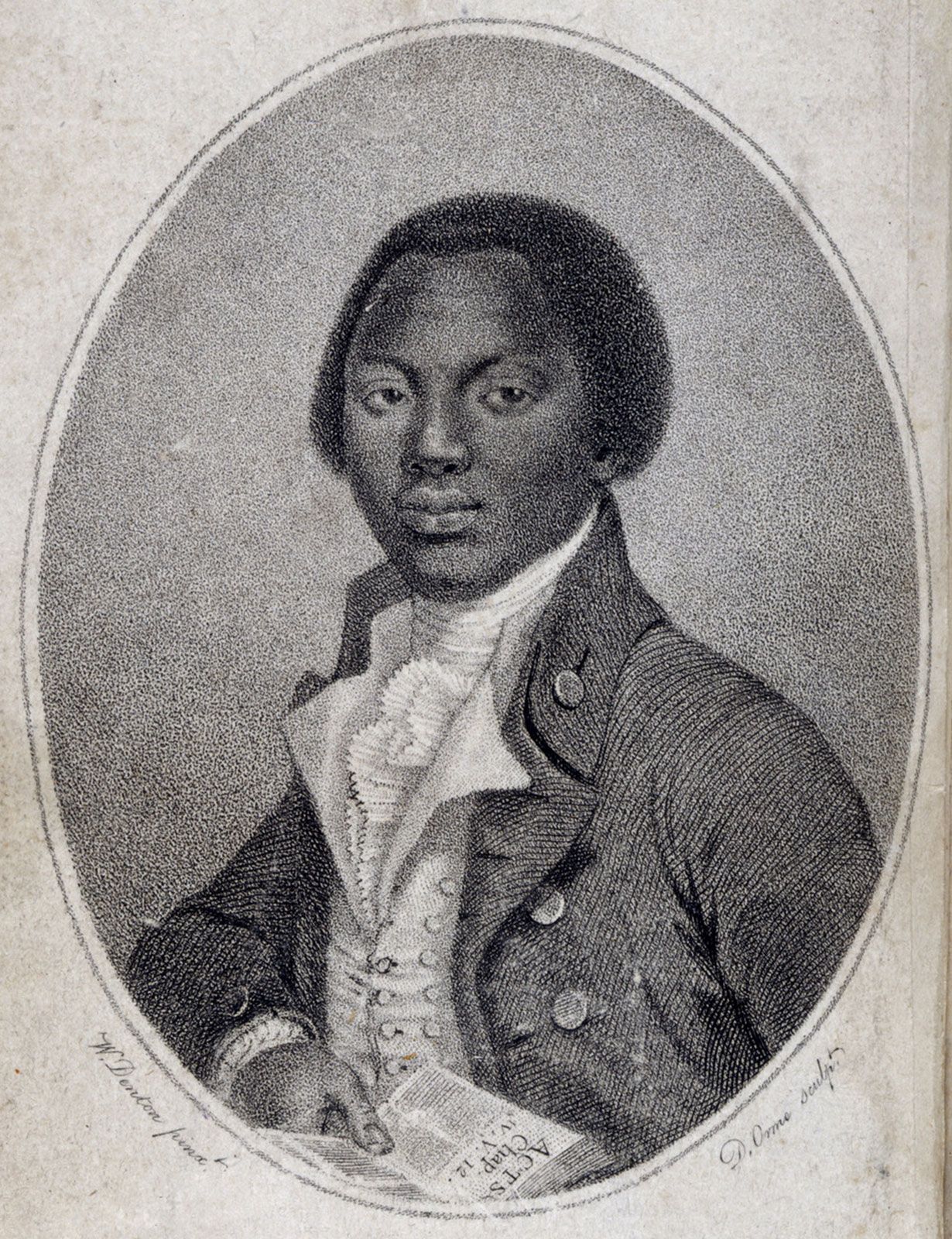
The earliest phase of the Igbo diaspora began during the transatlantic slave trade between the 16th and 19th centuries. European slave traders captured millions of Africans from the West African coast and transported them to the Americas. Many of these enslaved individuals came from the Igbo-speaking regions of southeastern Nigeria.
Historical records show that Igbo people were transported to regions such as Jamaica, Barbados, Haiti, and parts of the United States. In some Caribbean societies, traces of Igbo cultural heritage remain visible in folklore, language patterns, spiritual traditions, and place names. For instance, some historians link certain Caribbean cultural expressions to Igbo cosmology and traditions.
The trauma of forced migration fragmented Igbo communities, yet elements of their culture survived through oral traditions and spiritual practices. Stories of resilience and resistance among enslaved Igbo populations are documented in several Caribbean histories.
A notable cultural memory associated with the Igbo diaspora in the Americas is the legend of the “Igbo Landing,” which recounts a group of enslaved Igbo people who chose death over slavery. This event has become symbolic of the resilience and dignity of the Igbo people in the face of oppression.
While the transatlantic slave trade marked a tragic beginning of the Igbo diaspora, modern migration patterns would later reshape the global presence of Igbo communities.
Post-Colonial Migration and Modern Diaspora
The modern Igbo diaspora expanded significantly after the independence of Nigeria in 1960 and especially after the Nigerian Civil War (1967–1970). The war, associated with the attempted secession of Biafra, caused economic disruption and displacement in southeastern Nigeria.
Following the war, many Igbo people migrated abroad in search of education, employment, and economic stability. The late 20th and early 21st centuries saw a dramatic increase in Igbo migration to countries such as the United States, the United Kingdom, Canada, Germany, South Africa, and China.
Several factors contributed to this migration trend:
Educational opportunities abroad
Economic globalization and trade
Political instability and economic challenges in Nigeria
Strong cultural emphasis on entrepreneurship and mobility
Many Igbo families prioritize education as a pathway to upward mobility. As a result, Igbo students are well represented in universities around the world. After completing their studies, many remain abroad to pursue careers in medicine, engineering, technology, finance, and academia.
Today, Igbo communities exist in major global cities including London, Houston, Toronto, Johannesburg, and Guangzhou. These communities form cultural associations, business networks, and hometown unions that help maintain connections with their homeland.
Cultural Identity and Preservation in the Diaspora
One of the most remarkable features of the Igbo diaspora is its ability to preserve cultural identity despite geographic separation from the homeland. Cultural preservation occurs through language, traditions, social institutions, and community events.
The Igbo language remains a central component of identity. Many diaspora families encourage children to learn and speak Igbo at home. Cultural schools and language classes are sometimes organized by community associations to help younger generations maintain linguistic connections.
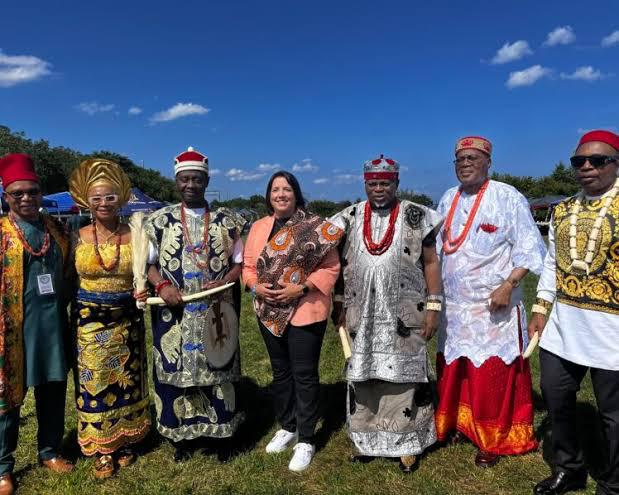
Traditional festivals and ceremonies are also celebrated abroad. Events such as New Yam festivals, traditional weddings, and cultural dance performances allow diaspora communities to maintain ties to Igbo heritage.
Traditional attire, including the iconic red cap worn by elders and chiefs, remains an important cultural symbol. Diaspora communities often organize annual cultural festivals where participants dress in traditional clothing, perform dances, and share Igbo cuisine.
Religious institutions also play an important role in preserving cultural identity. Many Igbo diaspora communities gather in churches that serve as social centers where cultural values are reinforced.
Through these practices, the Igbo diaspora maintains a strong sense of collective identity across generations.
Economic Contributions of the Igbo Diaspora
The Igbo diaspora is widely recognized for its entrepreneurial spirit and economic influence. Igbo migrants have established businesses across numerous sectors, including retail trade, manufacturing, technology, real estate, and finance.
One of the defining characteristics of Igbo economic culture is the tradition of apprenticeship, often referred to as the Igbo apprenticeship system. This system trains young entrepreneurs through mentorship and practical business experience. Even in diaspora communities, this tradition influences business networks and support systems.
Remittances from diaspora communities also play a significant role in the Nigerian economy. Many Igbo migrants send money back to support family members, fund community development projects, and invest in businesses in southeastern Nigeria.
These financial flows contribute to infrastructure development, education, and healthcare improvements in Igbo communities at home.
In addition to remittances, many diaspora entrepreneurs establish international trade connections that link Nigeria with global markets. These networks help facilitate the import and export of goods, strengthening economic ties between Africa and the rest of the world.
Political and Social Influence
The Igbo diaspora also plays a significant role in political advocacy and social activism. Diaspora organizations often advocate for issues affecting their homeland, including political representation, human rights, and economic development.
In many countries, Igbo professionals and intellectuals have become influential voices in academia, public policy, and international organizations. Their perspectives help shape discussions on African development, migration, and global economic cooperation.
Diaspora associations frequently organize conferences and forums that bring together scholars, entrepreneurs, and policymakers to discuss the future of the Igbo people and Nigeria as a whole.
These organizations also contribute to philanthropic initiatives such as building schools, hospitals, and scholarship programs in Igbo communities.
Challenges Facing the Igbo Diaspora
Despite its achievements, the Igbo diaspora faces several challenges. One of the most significant is the issue of cultural assimilation. Younger generations born outside Nigeria may gradually lose connection to the Igbo language and traditions.
Maintaining cultural identity in multicultural societies requires intentional efforts by families and community leaders. Cultural education programs and diaspora events play a crucial role in addressing this challenge.
Another challenge is navigating immigration policies and legal barriers in host countries. Migrants may encounter difficulties related to visas, work permits, or discrimination.
Economic integration can also present challenges for new migrants who must adapt to unfamiliar labor markets and cultural environments.
Nevertheless, the resilience and adaptability of the Igbo people have allowed diaspora communities to overcome many of these obstacles.
The Role of Technology in Connecting the Diaspora
In recent decades, technology has transformed the way diaspora communities interact with their homeland. Social media platforms, messaging applications, and digital communication tools enable Igbo people across the world to remain connected.
Online communities allow diaspora members to share cultural content, discuss political developments, and organize international events. Virtual conferences and webinars also enable collaboration between professionals in different countries.
Digital platforms have also facilitated business opportunities, enabling entrepreneurs to manage international trade and investments more efficiently.
As technology continues to evolve, it will likely play an even greater role in strengthening the connections between Igbo diaspora communities and their homeland.
The Future of the Igbo Diaspora
The future of the Igbo diaspora is shaped by globalization, education, and technological innovation. Younger generations of Igbo migrants are increasingly involved in global industries such as technology, finance, healthcare, and research.
Many diaspora professionals are also returning to Nigeria to invest in startups, infrastructure projects, and social enterprises. This phenomenon, sometimes referred to as “brain gain,” allows skills acquired abroad to contribute to local development.
Diaspora investment initiatives are also growing. Organizations and business groups encourage Igbo professionals abroad to invest in industries such as technology, manufacturing, agriculture, and renewable energy.
These investments have the potential to transform the economic landscape of southeastern Nigeria while strengthening ties between diaspora communities and their homeland.
Conclusion
The Igbo diaspora is a testament to the resilience, adaptability, and global influence of the Igbo people. From the tragic beginnings of forced migration during the transatlantic slave trade to the modern era of global mobility and entrepreneurship, the Igbo diaspora has evolved into a powerful international network.
Despite living thousands of miles away from their ancestral homeland, Igbo communities continue to preserve their language, traditions, and cultural values. Through cultural festivals, family networks, religious institutions, and diaspora organizations, they maintain a strong sense of identity and belonging.
Economically, the Igbo diaspora contributes significantly to both their host countries and Nigeria through entrepreneurship, professional expertise, and remittances. Politically and socially, diaspora organizations advocate for development and progress within Igbo communities.
As globalization continues to reshape the world, the Igbo diaspora will likely expand further, creating new opportunities for cultural exchange, economic collaboration, and social development.
Ultimately, the story of the Igbo diaspora is not simply a story of migration—it is a story of identity, resilience, and the enduring strength of cultural heritage across generations and continents.
Related Articles
Comments
This article is for members only. Join OBIGBO to read and comment. Join OBIGBO